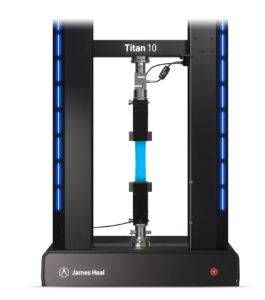
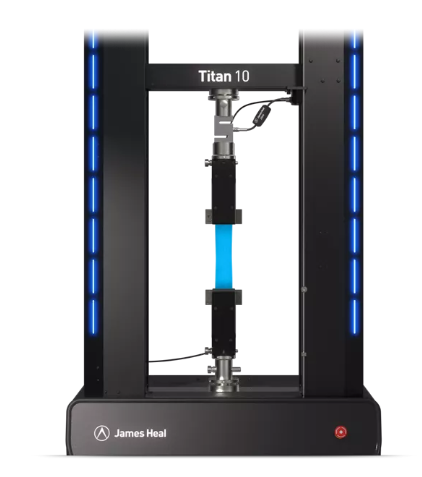
Máquina de Ensaio Universal com software TestWise™, disponível em modelos com capacidade de 5 kN, 10 kN e 25 kN. Um equipamento universal de resistência, adequado para testar uma ampla gama de aplicações — incluindo vestuário, não-tecidos e outros materiais não têxteis.
Precisão e Segurança Combinadas
O Titan 10 executa mais testes de tração e compressão do que nunca, com diversos novos padrões integrados ao software TestWise™.
Integrando os avanços mais recentes em tecnologia de testes têxteis, a nova máquina de ensaio universal de colunas duplas Titan está disponível nas capacidades de 10 kN e 25 kN, garantindo versatilidade e operação simplificada.
Com o software TestWise™ como motor, a série Titan garante potência, precisão e exatidão incomparáveis na realização de avaliações de resistência à tração e compressão em têxteis.
A série Titan conta com mais de 750 normas e métodos pré-carregados, além de uma ampla variedade de ferramentas compatíveis.
Sistema de Proteção Integrado
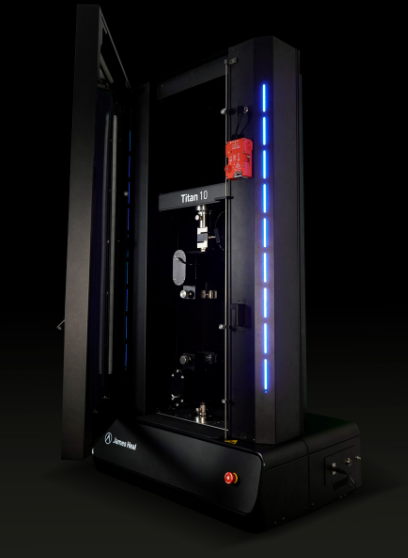
Para maior segurança do operador, o Titan 10 possui porta frontal com dobradiças e proteção traseira, garantindo segurança durante testes de alta capacidade.
Aplicações de Teste
O Titan 10 foi projetado com foco em precisão, segurança e facilidade de uso.
Abrange diversos tipos de testes de tração e compressão, com mais de 200 normas adicionais recentemente integradas — totalizando mais de 750 métodos de teste têxtil pré-configurados.
Materiais testáveis incluem:
Não-tecidos
Tecidos de malha e tecidos planos
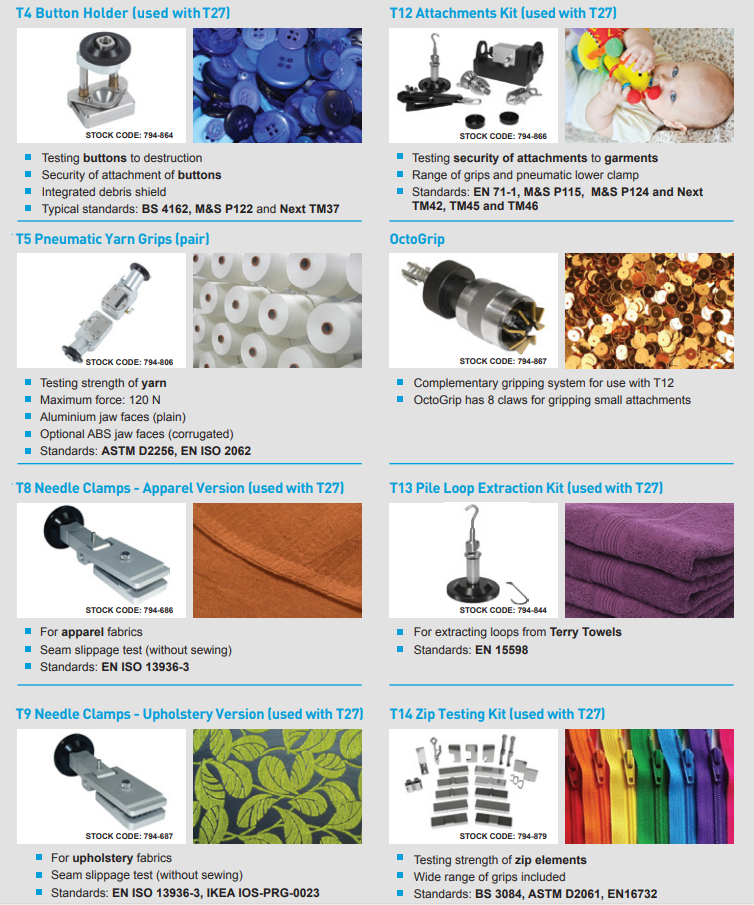
Costuras
Segurança de fixações
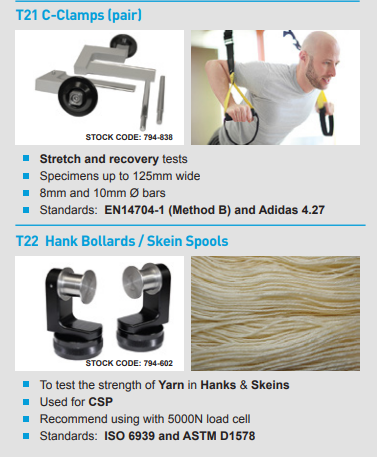
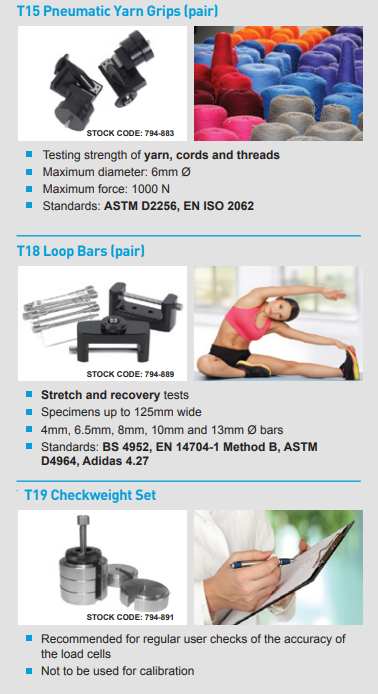
Fios
Alças
O Titan 10 é um instrumento de dupla coluna, permitindo testar amostras maiores em uma gama completa de ensaios: tração, compressão, alongamento e recuperação, rasgamento, descolamento, peel de adesão, entre outros.
Espaço vertical de teste: 1200 mm
Espaço entre colunas: 460 mm
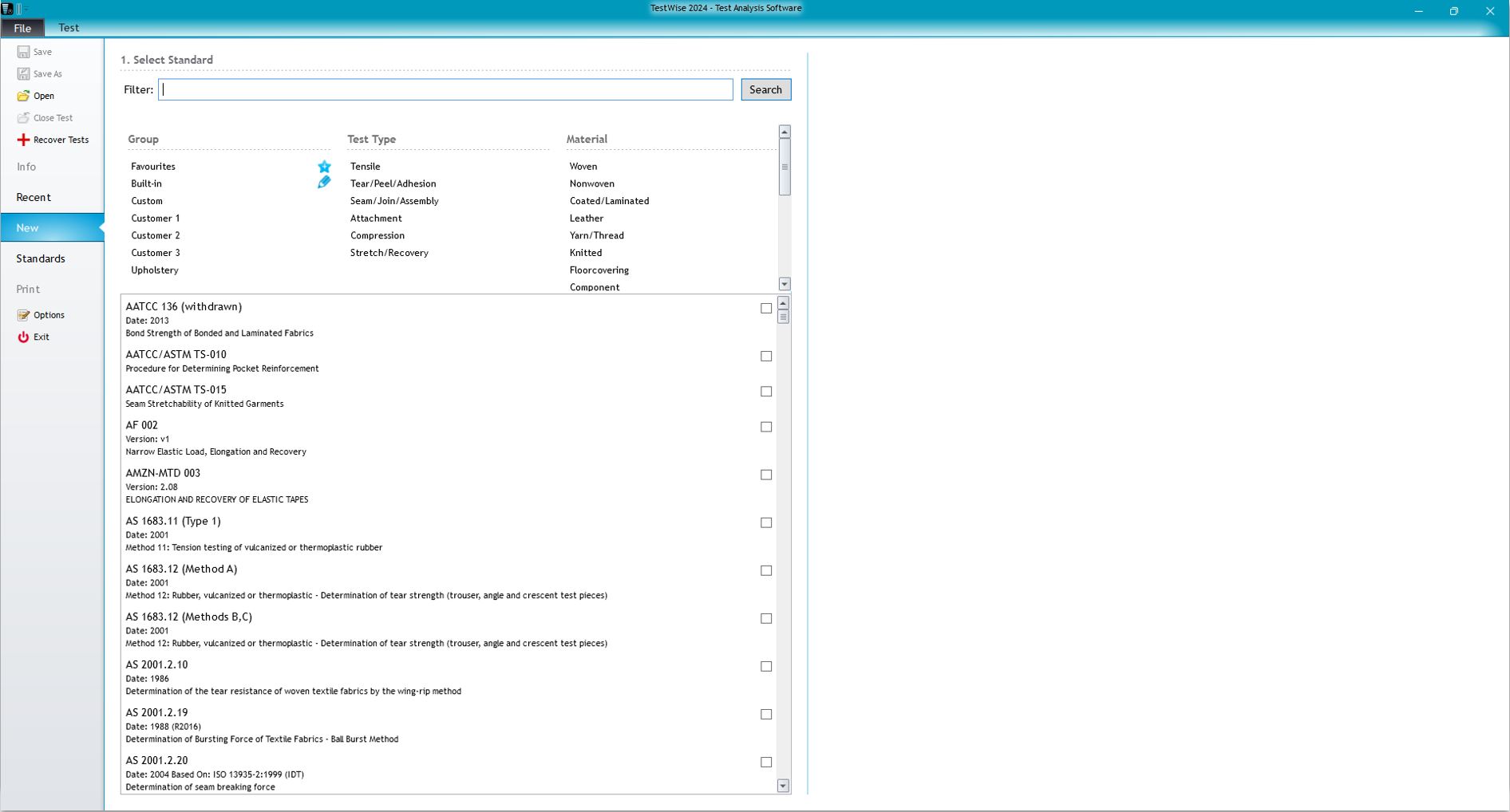
TestWise™ – Software Avançado Simplificado
O TestWise™ é um software especialmente desenvolvido para análise de testes, otimizando o uso das máquinas da linha Titan.
Principais recursos do TestWise™:
Interface simples
Pesquisa e filtro de normas com listas favoritas
Processo de teste eficiente com função “Auto-aceitar”
Salvar relatórios diretamente em PDF
Banco de dados com mais de 750 normas (ASTM, ISO, JIS, M&S, Next, etc.)
Configuração automática de parâmetros
Cálculos aprimorados para tecidos esportivos (ex: perda de energia, histerese, etc.)
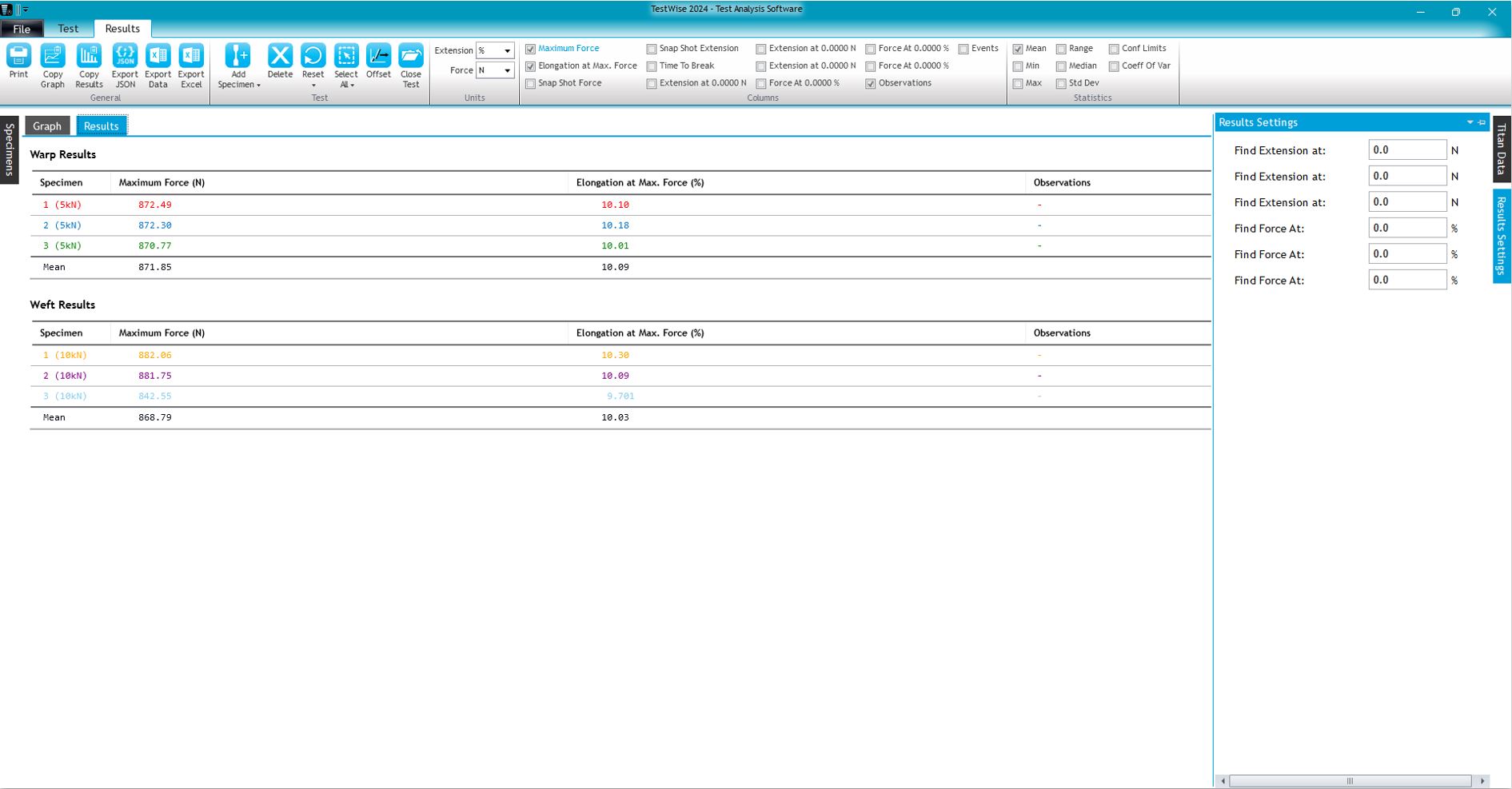
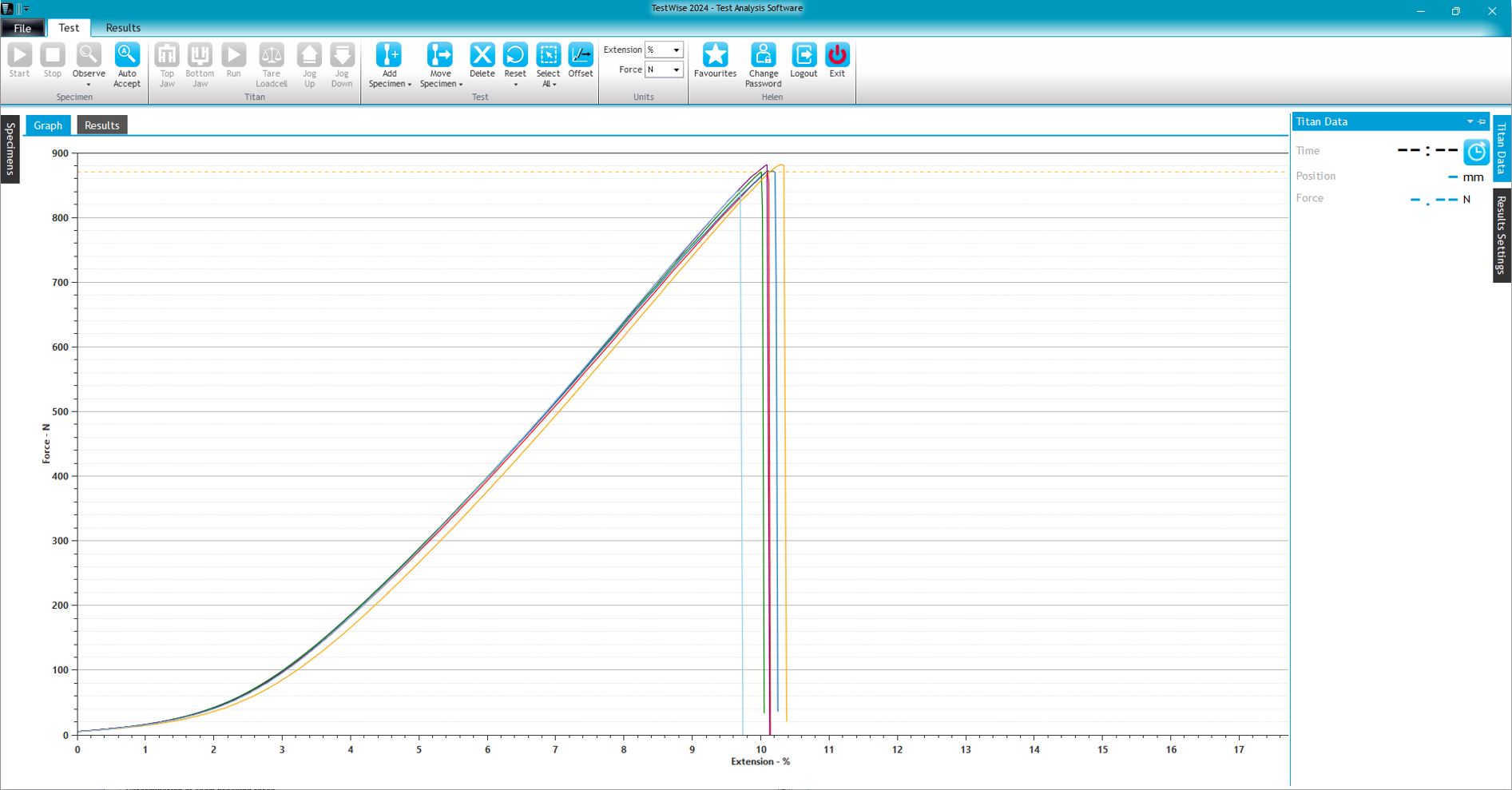
Resultados em tempo real de força e extensão
Relatórios estatísticos personalizados
Exportação para Excel com geração automática de gráficos
Criação e salvamento de padrões personalizados
Especificações Técnicas (Titan 10 como exemplo)
Atmosfera condicionada recomendada: Sim
Posicionamento: Em bancada
Capacidade (Tração / Compressão): 10.000 N / 10 kN / 1.000 kgf / 2204.6 lbf
Precisão:
Precisão de velocidade: ±0,003%
Precisão de posicionamento: ±0,00167 mm
Curso vertical: 900 mm (sem ferramentas)
Dimensões físicas (sem proteção):
Altura: 1576 mm (62″)
Largura: 1090 mm (42,9″)
Profundidade: 603 mm (23,75″)
Peso aproximado:
Apenas instrumento: 230 kg (507 lbs)
Com proteção: 261 kg (575,4 lbs)
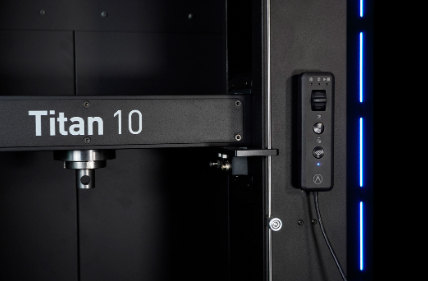
Controle remoto do Titan 10/25
O Titan 10 e o Titan 25 contam com controle remoto opcional, proporcionando maior controle manual durante os testes.
Teste manual aprimorado
O Titan 10 possui um controle manual portátil opcional, que oferece maior precisão no controle durante os testes — especialmente útil ao manusear amostras de tamanhos irregulares ou variáveis.
Além disso, o equipamento também pode ser operado por meio de: Pedal de controle
Software TestWise™
Especificações de PC Recomendadas
Sistemas operacionais compatíveis: Windows® 7, 8, 10
(Incompatível com Windows® XP ou Vista)
Requisitos adicionais: Microsoft .NET 4.0
HD mínimo: 250 GB
Portas USB: 2x USB 2.0
Setores e Materiais de Aplicação
Têxteis Técnicos (Médicos, de Proteção, etc.)
Têxteis Militares
Equipamentos de Proteção Individual (EPIs)
Vestuário Outdoor
Calçados
Bolsas e mochilas
Não-tecidos
Estofados









| Norma | Título |
|---|---|
| 16 CFR 1500.51-53 Tension Test | — |
| AATCC 136-2009 | Bond Strength of Bonded and Laminated Fabrics |
| AATCC/ASTM D1335 (IP Units) | — |
| AATCC/ASTM TS-010 | — |
| AATCC/ASTM TS-015 | — |
| AS 2001.2.10-1986 | — |
| AS 2001.2.21-1986 | — |
| AS 2001.2.22-2006 | — |
| AS 2001.2.3.1-2001 | — |
| AS 2001.2.3.2-2001 | — |
| ASTM D1335 (IP units) | — |
| ASTM D1578-93 (2016) | — |
| ASTM D1682-64 (1975) | Standard Methods of Test for Breaking Load and Elongation of Textile Fabrics |
| ASTM D1683-11a | — |
| ASTM D1876-08 (2015) | — |
| ASTM D1894-14 | Standard Test Method for Static and Kinetic Coefficients of Friction of Plastic Film and Sheeting |
| ASTM D1938-08 | — |
| ASTM D2061-07 | — |
| ASTM D2207-00 (2010) | — |
| ASTM D2208-00 (2010) | — |
| ASTM D2209-00 (2010) | — |
| ASTM D2211-00 (2010) | — |
| ASTM D2212-00 (2010) | — |
| ASTM D2256-10 (2015) | — |
| ASTM D2261-13 | — |
| ASTM D2262-83 | — |
| ASTM D2724-07 (2015) | — |
| ASTM D3167-10 | — |
| ASTM D3354-11 | — |
| ASTM D3759M-05 (2011) | — |
| ASTM D3787-1 | — |
| ASTM D4034-92 | — |
| ASTM D434-95 | — |
| ASTM D4533-11 | — |
| ASTM D4632-08 | — |
| ASTM D4704-12 | — |
| ASTM D4830-06 | — |
| ASTM D4831-00 (2010) | — |
| ASTM D4833-07 | — |
| ASTM D4846-96 (2004) | — |
| ASTM D4851-07 (2015) | — |
| ASTM D4912-07 | — |
| ASTM D4964-96 (2016) | — |
| ASTM D5034-09 (2013) | — |
| ASTM D5035-11 (2015) | — |
| ASTM D5169-98 (2010) | — |
| ASTM D5170-98 (2010) | — |
| ASTM D5587-15 | — |
| ASTM D5733-99 | — |
| ASTM D5735-95 (2001) | — |
| ASTM D5748-07 | — |
| ASTM D5822-08 | — |
| ASTM D5884-04a (2010) | — |
| ASTM D6077-10 | — |
| ASTM D6241-04 (2009) | — |
| ASTM D6479-12 | — |
| ASTM D6614-07 (2015) | — |
| ASTM D6636-01 (2011) | — |
| ASTM D6644-01 (2013) | — |
| ASTM D6775-02 (2007) | — |
| ASTM D6797-15 | — |
| ASTM D7005-03 (2008) | — |
| ASTM D7142-05 | — |
| ASTM D7506-12 | — |
| ASTM D751 (Section 32) | — |
| ASTM D751 Section 18 | — |
| ASTM F1917-2012 | — |
| ASTM F963-11 (Tension Test for Seams) | Standard Test Method for Peel Resistance of Adhesives (T-Peel Test) |
| ASTM F963-11 (Tension Test) | — |
| BIS IS 14181 (Part 2) | — |
| BIS IS 14625 Annex D | — |
| BIS IS 15891 (Part 4) | — |
| BIS IS 1969 | — |
| BIS IS 6489 (Part 2) | — |
| BIS IS 6489 (Part 3) | — |
| BIS IS 6489 (Part 4) | — |
| BIS IS 7016 (Part 2) | — |
| BIS IS 7016 (Part 3) | — |
| BIS IS 7016 (Part 5) | — |
| BIS IS 7071 (Part 4) | — |
| BIS IS 7703 (Part 2) | — |
| BS 1932-2:1989 | — |
| BS 2543:1995 | — |
| BS 2576:1986 | — |
| BS 3084:2006 | — |
| BS 3144:1968 – Ball Burst Test | — |
| BS 3320:1988 (1995) | — |
| BS 3424 Part 33 Method 36 | — |
| BS 3424:Part 4:1982 Method 6 | — |
| BS 3424:Part 5:1982 Method 7A | — |
| BS 3424:Part 5:1982 Method 7B | — |
| BS 3424:Part 5:1982 Method 7C | — |
| BS 3424:Part 6:1982 | — |
| BS 3424:Part 7:1982 | — |
| BS 4162:1983 | — |
| BS 4303:1968 | — |
| BS 4952:1992 | — |
| BS 5131-3.1:1991 | — |
| BS 5131-5.11:1981 | — |
| BS 5131-5.13 | — |
| BS 7907:2007 (Annex B) | — |
| BS 8510:2009 (Section 10) | — |
| CPSD-SL-24964-MTHD | — |
| DBA RMQT-OI/020-035 Rev 01 DS-044 DS-302 | — |
| DIN 53289:1974 | — |
| DIN 53329 | — |
| DIN 53356:1982 | — |
| DIN 53357:1982 | — |
| DIN 53504:1975 | — |
| DIN 53507 | — |
| DIN 53530:1981 | — |
| DIN 53835 Part 13:1983 | — |
| DIN 53835 Part 14:1992 | — |
| DIN 53858:1979 | — |
| DIN 53859 Part 4:1977 | — |
| DIN 53859 Part 5 | — |
| DIN 53868:1992 | — |
| DIN 53934:1986 | — |
| DIN 54310:1980 | — |
| DUPONT TTM 076 (2000) | — |
| EN 12311-1:1999 | — |
| EN 12332-1:1998 | — |
| EN 12773:1999 | — |
| EN 13514:2001 | — |
| EN 13522:2001 | — |
| EN 13571:2001 | — |
| EN 13572:2001 Method A | — |
| EN 13572:2001 Method B | — |
| EN 1392: 1992 | — |
| EN 14410:2003 | — |
| EN 1464:2010 | — |
| EN 14704-1 | — |
| EN 14704-2 Method A | — |
| EN 14704-3 Method A | — |
| EN 14716:2004 | — |
| EN 15598:2008 | — |
| EN 1875-3:1997 | — |
| EN 29073-3:1992 | — |
| EN 388:2016 – Puncture Resistance (6.4) | — |
| EN 388:2016 – Tear Resistance (6.3) | — |
| EN 71-1 (Compression Test: 110N) | — |
| EN 71-1 (Seam Test) | — |
| EN 71-1 (Tension Test) | — |
| EN ISO 11644:2009 (IUF 470) | — |
| EN ISO 13934-1:2013 | — |
| EN ISO 13934-2:2014 | — |
| EN ISO 13935-1:1999 | — |
| EN ISO 13935-1:2014 | — |
| EN ISO 13935-2:1999 | — |
| EN ISO 13935-2:2014 | — |
| EN ISO 13935/6-2 | — |
| EN ISO 13936-1:2004 | — |
| EN ISO 13936-2:2004 | — |
| EN ISO 13936-3:2007 (Apparel) | — |
| EN ISO 13936-3:2007 (Upholstery) | — |
| EN ISO 13937-2:2000 | — |
| EN ISO 13937-3:2000 | — |
| EN ISO 13937-4:2000 | — |
| EN ISO 1421:1998 | — |
| EN ISO 17695:2005 | — |
| EN ISO 17698:2013 | — |
| EN ISO 17708:2003 | — |
| EN ISO 2062:2009 | — |
| EN ISO 23910:2007 (IUP 44) | — |
| EN ISO 2411:2000 | — |
| EN ISO 3376:2011 (IUP 6) | — |
| EN ISO 3377-1: 2011 (IUP 40-1) | — |
| EN ISO 3377-1:2002 | — |
| EN ISO 3377-2:2002 (IUP 8) | — |
| EN ISO 3386-1:2015 | — |
| EN ISO 4674-1:2003 – Method A | — |
| EN ISO 4674-1:2003 – Method B | — |
| EN ISO 9073-4:1997 | — |
| ERT 20.2-89 | — |
| ERT 70.4-99 | — |
| FZ/T 70005-2006 – 7.1.1 | — |
| FZ/T 70005-2006 – 7.1.2 | — |
| FZ/T 70006-2004 – 8.2.1 and 8.4 | — |
| FZ/T 70006-2004 – 8.2.2 | — |
| FZ/T 70006-2004 – 8.3.1.1 | — |
| FZ/T 70006-2004 – 8.3.1.2 | — |
| FZ/T 70006-2004 – 8.3.2.1 | — |
| FZ/T 70006-2004 – 8.3.2.2 | — |
| FZ/T 80007.1-2006 | — |
| FZ/T 81004-2003 | — |
| FZ/T 81006-2007 | — |
| FZ/T 81007-2012 | — |
| FZ/T 81008-2004 | — |
| FZ/T 81010-2009 | — |
| GAP INC S1023 (05/12/09) | — |
| GAP INC S1027 | — |
| GAP INC S1028 | — |
| GAP INC S1033 (November 2013) | — |
| GAP INC S1034 | — |
| GAP INC S1064 (June 2015) | — |
| GB 6675.2-2014 (Compression Test) | — |
| GB 6675.2-2014 (Tension Test for Seams) | — |
| GB 6675.2-2014 (Tension Test) | — |
| GB/T 14272-2002 | — |
| GB/T 18132-2002 | — |
| GB/T 19976-2005 | — |
| GB/T 2660-2008 | — |
| GB/T 2662-2008 | — |
| GB/T 2664-2009 | — |
| GB/T 2665-2009 | — |
| GB/T 2666-2009 4.4.10 & Annex B-T | — |
| GB/T 2666-2009 4.4.11 & Annex C-T | — |
| GB/T 3916-2013 | — |
| GB/T 3917. 2-2009 | — |
| GB/T 3917.3-2009 | — |
| GB/T 3917.4-2009 | — |
| GB/T 3917.5-2009 | — |
| GB/T 3923.1-2013 | — |
| GB/T 3923.2-2013 | — |
| H&M TM DS:12 | — |
| H&M TM DS:13 | — |
| INEN 1061:1983 | — |
| INEN 561:1981 | — |
| ISO 11857:1999 | — |
| ISO 17696:2004 | — |
| ISO 17697:2003 Method A | — |
| ISO 17697:2003 Method B | — |
| ISO 17706:2003 | — |
| ISO 1805:1973 | — |
| ISO 2023:1994 Annex C | — |
| ISO 20866:2001 | — |
| ISO 20872:2001 | — |
| ISO 20874:2001 | — |
| ISO 29864:2007 | — |
| ISO 3303:1990 Method A | — |
| ISO 3379: 1976 | — |
| ISO 4578:1997 | — |
| ISO 4637:1979 (BS 903-A27:1986) | — |
| ISO 4919:2012 | — |
| ISO 5081:1977 | — |
| ISO 5082:1982 | — |
| ISO 6939:1988 | — |
| ISO 8124-1:2012 | — |
| ISO 8124-1:2012 (Compression Test) | — |
| ISO 8124-1:2012 (Tension Test) | — |
| ISO 9073-3:1989 | — |
| ISO 9073-5:2008 | — |
| Jantzen Test Method 3 | — |
| JIS L1085 (6.5.1) | — |
| JIS L1085:1998 (2013) | — |
| JIS L1085:1998 (2013) (6.7.3) | — |
| JIS L1086:2007 (superseded) | — |
| JIS L1093:2011 Grab Method A-1 | — |
| JIS L1093:2011 Grab Method A-2 | — |
| JIS L1093:2011 Grab Method A-3 | — |
| JIS L1096:2010 (8.14.1) | — |
| JIS L1096:2010 (8.14.2) | — |
| JIS L1096:2010 (8.15.1) | — |
| JIS L1096:2010 (8.15.2) | — |
| JIS L1096:2010 (8.16.1) | — |
| JIS L1096:2010 (8.17.1) | — |
| JIS L1096:2010 (8.17.2) | — |
| JIS L1096:2010 (8.23.1) Method A | — |
| JIS L1096:2010 (8.23.1) Method B | — |
| JIS L1096:2010 (8.23.1) Method C | — |
| JIS L1096:2010 (8.23.1) Method D | — |
| JIS L1096:2010 (8.23.2) Method B | — |
| JIS L1096:2010 (8.23.3) | — |
| JTA ST 2012 Compression Test | — |
| JTA ST 2012 Tension Test | — |
| LS&CO METHOD 11 (IP units) | — |
| LTD 03 (01/30/2015) | — |
| LTD 06 (05/27/10) | — |
| LTD 07 (05/27/10) | — |
| LTD 10 | — |
| LTD 11 | — |
| LTD 15 | — |
| LTD 16 (05/27/10) | — |
| LTD 18 (05/27/10) | — |
| LTD 19 | — |
| LTD 24 (05/27/10) | — |
| LTD 26 (05/27/10) | — |
| LTD 27 (05/27/10 | — |
| LTD 81 (based on 16 CFR 1500.53) | — |
| LTD 84 Part 1 (04/12/2016) | — |
| LTD 84 Part 2 (04/12/2016) | — |
| Lululemon-001 (IP Units) | — |
| Lululemon-001 (SI Units) | — |
| Lululemon-002 (IP Units) | — |
| Lululemon-002 (SI Units) | — |
| M&S P11 | — |
| M&S P115 | — |
| M&S P115A | — |
| M&S P115B | — |
| M&S P115C | — |
| M&S P115H | — |
| M&S P11A | — |
| M&S P11B | — |
| M&S P11C | — |
| M&S P12 | — |
| M&S P122 | — |
| M&S P124 | — |
| M&S P12A | — |
| M&S P12B | — |
| M&S P12C | — |
| M&S P13 | — |
| M&S P13A | — |
| M&S P14 | — |
| M&S P141 | — |
| M&S P14A | — |
| M&S P14B | — |
| M&S P14C | — |
| M&S P15 PART 1 | — |
| M&S P15A | — |
| M&S P15B | — |
| M&S P35 | — |
| M&S P42 | — |
| M&S P43 | — |
| M&S P70 | — |
| M&S P98 | — |
| NEXT TM16 | — |
| NEXT TM16a | — |
| NEXT TM21 | — |
| NEXT TM21a | — |
| NEXT TM25 | — |
| NEXT TM27 | — |
| NEXT TM36 | — |
| NEXT TM37 | — |
| NEXT TM42 | — |
| NEXT TM45 | — |
| NEXT TM46 | — |
| NF G 62-021:1984 | — |
| NIKE DRAFT – Stretch & Elastic Properties – Part 1 | — |
| NIKE DRAFT – Stretch & Elastic Properties – Part 2 | — |
| Nike Test EQ01 | — |
| NIKE TEST G76 for Binding Tape | — |
| NIKE TEST G76 for Cables | — |
| NIKE TEST G76 for Elastic Gore | — |
| NIKE TEST G76 for Fabrics | — |
| NIKE TEST G76 for Genuine Leathers | — |
| NIKE TEST G76 for Insole Boards | — |
| NIKE TEST G76 for Knitted Mesh | — |
| NIKE TEST G76 for Shoe Laces | — |
| NIKE TEST G76 for Synthetic Leathers | — |
| NIKE TEST G76 for Threads | — |
| NIKE TEST G76 for Webbings | — |
| NIKE TEST G76 for Yarns | — |
| NIKE TEST G77 – Textile | — |
| NWSP 100.2 | — |
| NWSP 100.3 | — |
| NWSP 110.1 | — |
| NWSP 110.4 | — |
| NWSP 110.5 | — |
| NWSP 401.0 | — |
| PB-001 | — |
| PB-002 | — |
| PB-003 | — |
| PB-004 | — |
| PB-021 | — |
| PB-027 | — |
| PB-028 | — |
| PRIMARK PM07 | — |
| PRIMARK PM08 | — |
| PSTC-131 | — |
| QB/T 2711-2005 | — |
| Renault D41 1015/–E | — |
| SABS SM 637:2000 | — |
| SANS 11644:2009 (IUF 470) | — |
| SANS 5636:2015 | — |
| SANS 6194:2007 (Edition 2.1) | — |
| SATRA PM117 | — |
| SATRA TM29 | — |
ASTM
| Norma | Título Original |
|---|---|
| ASTM D434 | Standard Test Method for Resistance to Slippage of Yarns in Woven Fabrics Using a Standard Seam |
| ASTM D558 | Standard Test Methods for Moisture-Density (Unit Weight) Relations of Soil-Cement Mixtures |
| ASTM D2256 | Standard Test Method for Tensile Properties of Yarns by the Single-Strand Method |
| ASTM D2261 | Standard Test Method for Tearing Strength of Fabrics by the Tongue (Single Rip) Procedure (Constant-Rate-of-Extension Tensile Testing Machine) |
| ASTM D2731 | Standard Test Method for Elastic Properties of Elastomeric Yarns (CRE Type Tensile Testing Machines) |
| ASTM D3936 | Standard Test Method for Resistance to Delamination of the Secondary Backing of Pile Yarn Floor Covering |
| ASTM D4533 | Standard Test Method for Trapezoid Tearing Strength of Geotextiles |
| ASTM D4964 | Standard Test Method for Tension and Elongation of Elastic Fabrics (Constant-Rate-of-Extension Type Tensile Testing Machine) |
| ASTM D5034 | Standard Test Method for Breaking Strength and Elongation of Textile Fabrics (Grab Test) |
| ASTM D5035 | Standard Test Method for Breaking Force and Elongation of Textile Fabrics (Strip Method) |
| ASTM D5735 | Standard Test Method for Tearing Strength on Nonwoven Fabrics by the Tongue (Single Rip) Procedure (Constant-Rate-of-Extension Tensile Testing Machine) |
ISO
| Norma | Título Original |
|---|---|
| ISO 2062 | Textiles — Yarns from packages — Determination of single-end breaking force and elongation at break using constant rate of extension (CRE) tester |
| ISO 5082 (Cancelada) | Textiles — Woven fabrics — Determination of breaking strength — Grab method |
| ISO 9073-4 | Textiles — Test methods for nonwovens — Part 4: Determination of tear resistance |
| ISO 10321 | Geosynthetics — Tensile test for joints/seams by wide-width strip method |
| ISO 13919 | Electron and laser-beam welded joints — Requirements and recommendations on quality levels for imperfections in steel, nickel, titanium and their alloys |
| ISO 9073-18 | Textiles — Test methods for nonwovens — Part 18: Determination of breaking strength and elongation of nonwoven materials using the grab tensile test |
ABNT NBR
| Norma | Título Original |
|---|---|
| NBR 13041 | Nãotecido — Determinação da resistência à tração e alongamento — Método de tiras e “Grab” |
| NBR 11912 (Cancelada) | Materiais têxteis — Determinação da resistência à tração e alongamento de tecidos planos (tira) em dinamômetro tipo CRT |
| NBR 14727 (Cancelada) | Materiais têxteis — Determinação da resistência à tração e alongamento de tecidos planos (grab test) em dinamômetro tipo CRT |
| NBR 9925 | Tecido plano — Determinação do esgarçamento em uma costura padrão |